Professional Burnout Treatment & Therapy in Toronto and Ontario
Why Recovery Takes More Than Rest
Therapy as part of Burnout treatment in Ontario helps people who are still functioning but feel mentally and emotionally depleted. It often shows up as work stress, anxiety, and a growing sense of disconnection from yourself.
The Stages of Burnout Recovery
Phase 1: Assess The Need For Burnout Treatment
Recognize That You’re Drained and Burnt Out.
Understanding your patterns is key; it helps you recognize what’s going on within your body and discover strategies to replenish your energy.
– During this phase, many people find they need to take a step back from work
– Your closest relationships are likely feeling the strain
– It’s a time that can bring forth a lot of emotions: anger, tears, resentment, fear
– You need to express and be understood
– Remember, it’s okay to feel this way, it’s not your fault and there is support.
Phase 2: The Cost of Care Treatment Framework
Get Support to Identify Patterns That Need To Change So You Can Stay Well
This includes:
– Implementing practical coping skills
– Discovering your unique strategy for self-care
– Understanding your needs and how to fulfill them
– Reflecting on some of the ‘whys’ in your life that got you to this place.
Phase 3: Therapy Goals Include Knowing Yourself
Learn To Articulate Your Sense of Self, Name Your Values and Share What You Need
– You have explored your values, strengths and personality
– You understand your communication style
– You are aware of the community you want to build relationships with
– You are creating a plan for the life you wish to lead
This deep exploration of yourself helps you align your personality, calling, and the work that energizes you with the ways you can best show up for the people in your life. You are no longer allowing yourself to be drained and depleted without understanding what it will cost you. You are becoming burnout proof and learning about prevention that is unique to you. This is spiritual recovery.
Phase 4: Live Your Results In All Areas Of Life
Live Congruently and Become a Guide For Others
Here’s what’s happening:
– You are intentional about how you spend your time
– The work you choose resonates deeply with your sense of self
– Those around you notice you’ve changed
– You know how to care for yourself, and you are actively doing it
– You have clear goals and are taking steps to achieve them
– Furthermore, you have become a guide for others
Start here
If you’re ready to take action:
If you’re still figuring it out:
If you are looking for burnout treatment serving Toronto or across Ontario, you’ve likely realized that a simple weekend of rest isn’t enough to fix the deep depletion you’re feeling. Therapy focuses on understanding what is driving the strain and helping you regain clarity, energy, and a stable sense of self.
You may still be showing up for others. But internally, the cost of responsibility is catching up to you. This work moves beyond rest to address the stages of burnout and the patterns that keep you depleted.
What is Burnout Treatment in Ontario?
Many people search for burnout treatment when they are looking for therapy, counselling, coaching, stress leave support, or help understanding the stages of burnout. This guide explains how burnout develops, how recovery works, and how therapy can help, including identity based mid-life career assessments in Ontario.
Burnout therapy is a form of treatment that focuses on helping you recover from chronic stress, emotional exhaustion, and the internal pressure that builds over time.
For many professionals, burnout is not only about workload. It is about the strain of carrying too much responsibility for too long, without a place to process it.
Burnout treatment often includes therapy that helps you understand what is happening beneath the surface, identify patterns that are no longer sustainable, and begin making changes that restore clarity, energy, and a sense of self.
Treatment includes exploration of the stages of burnout and the deeper identity patterns and values assessment that you can read about here.
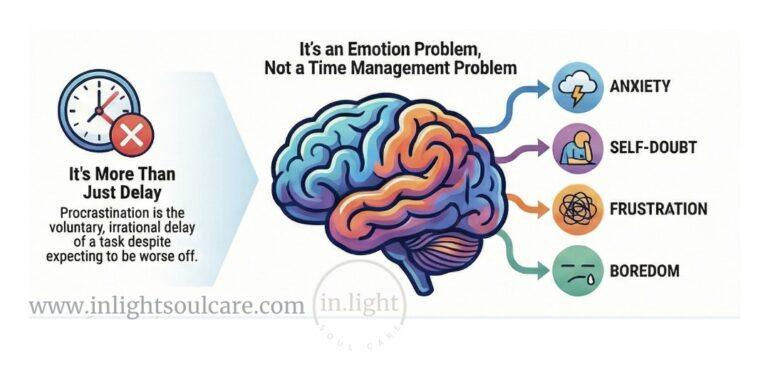
Professional burnout therapy is also a place to explore symptoms and understand some of your limitations such as procrastination and why you struggle to start tasks.
Burnout recovery takes more than rest. Many professionals discover the exhaustion is not only physical. Something deeper has been depleted.

Why Work With Me?
Certified Expertise: I am a Registered Psychotherapist (CRPO) and a Certified Supervisor-Educator (CASC/ACSS), with a career-long focus on supporting helping professionals and leaders.
Accessible Support: I provide secure, private, online therapy sessions tailored to professionals across Ontario.
How Burnout Counselling Helps Recovery
Whether you are navigating the high-pressure tech hubs in the Entertainment District, the Financial District, or the demanding healthcare systems at UHN, clients often say that navigating burnout in Toronto and busy Ontario cities often feels like a requirement of the job.
In therapy, burnout treatment is not about pushing through or managing your time better. I use a 4-phase approach in therapy with clients located in Toronto and across Ontario.
It focuses on:
– understanding the stages of burnout and how you became overextended in the first place
– identifying patterns of overfunctioning and internal pressure
– learning how to step out of constant responsibility without losing your sense of self
– rebuilding energy in a way that is actually sustainable
This is especially important for professionals who are still performing well but are starting to feel the internal cost and fear losing their job.
When Burnout Treatment May Be Needed
Many of the people I work with are professionals in Kitchener, Toronto, and across Ontario seeking therapy for burnout recovery after long periods of over-responsibility.
Over years of working with helping professionals, I notice a pattern in how people move through recovery stages. Drawing from research, clinical work, and spiritual care, I guide healing through the stages of burnout recovery.
If that resonates with you, keep reading. What I offer here is something different: a four-phase, evidence-informed process I use with clients to help them move from depletion to renewal. I call it the Cost of Care Framework.
Professional Burnout therapy often begins when you realize something is not working anymore. You may still be functioning, but the cost internally is getting harder to ignore.
Burnout often creeps in slowly, making it challenging to notice at first. You might start to feel that something is off, and you’re feeling anxiety at work, even if you can’t quite pinpoint why. Yet, out of your desire to help others, you keep giving and resist setting boundaries. You hope that things will get better, but as the weeks and months roll on, you find yourself pouring your energy into caring for those around you, leaving your own bucket feeling empty. This is when you know you need help.
One nurse manager I worked with realized she had reached Phase 1 when she started crying in the parking lot before work. She had always been the reliable one. The moment she admitted she was exhausted and needed to make a change, entering the recovery stage finally began.
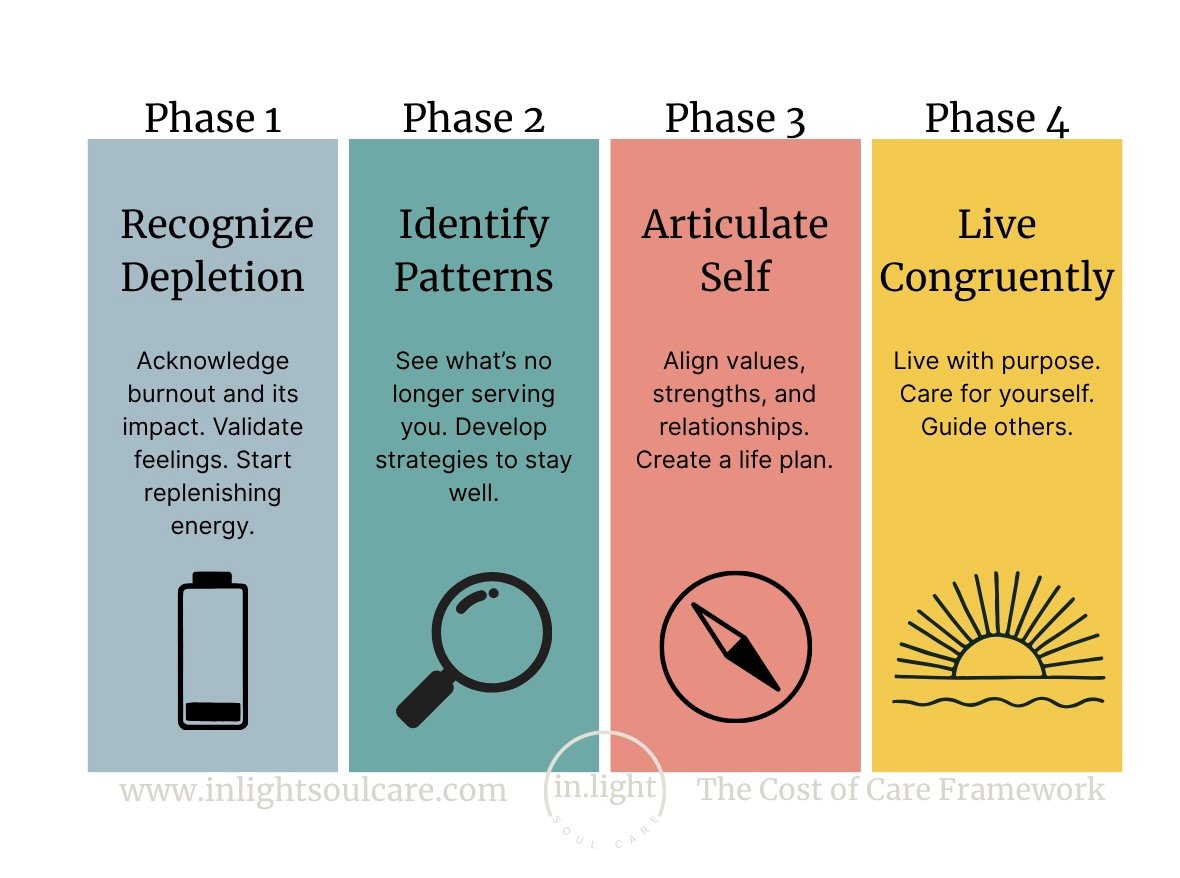
The 4 Stages of Burnout Recovery: The Cost of Care Framework
The 4 Phases at a Glance:
Phase 1: Assess & Acknowledge
– Recognize that you’re drained and burnt out.
Phase 2: Identify Patterns
– Get support to identify patterns that need to change.
Phase 3: Articulate Values & Self
– Learn to articulate your sense of self and share what you need.
Phase 4: Live Congruently
– Live congruently and become a guide for others.
Burnout often involves more than exhaustion. Many people also experience a deeper loss of identity related to their work, which I explore further here.
Entering Professional Burnout Therapy
These four phases are a compass that I use to guide my clients through a burnout treatment process and into renewal. If you’re somewhere in this process and sense the soul-loss within yourself, I can say with confidence that it’s possible to find your way back to a life that feels like your own. If you’re in Kitchener-Waterloo , the greater Toronto area, or anywhere in Ontario, reach out and start the connection.

If you’re noticing yourself in these stages of burnout, it can help to work through it with someone who understands how burnout shows up in high-responsibility roles.
If you’re ready to start burnout treatment, you can book a free consultation here:
Therapy offers a space to sort out what’s actually happening beneath the exhaustion and begin moving forward with more clarity and steadiness.
Learn more about burnout treatment and psychotherapy in Ontario
Learn more about Burnout symptoms from WebMD.
What are the stages of burnout?
Burnout rarely happens all at once. It often develops gradually through several stages. Many people begin by pushing harder to meet increasing demands at work, home, or in caregiving roles. Over time, stress becomes chronic, energy levels drop, and recovery becomes more difficult.
Common stages of burnout include:
1. Increasing stress and pressure
2. Emotional and physical exhaustion
3. Detachment, cynicism, or irritability
4. Loss of motivation, meaning, or identity
Not everyone experiences burnout in the same way. Some people notice physical symptoms first, while others recognize changes in their mood, relationships, or sense of self. Early support can help prevent burnout from becoming more severe.
What are the 4 stages of burnout recovery?
Most people move through several phases as they regain energy, clarity, and a healthier relationship with work.
Burnout recovery often includes:
1. Rest and stabilization
Creating enough space to recover physically and emotionally.
Understanding what happened
2. Identifying the factors that contributed to burnout, such as workload, perfectionism, people-pleasing, moral distress, or lack of support.
3. Rebuilding boundaries and capacity
Learning new ways to manage responsibilities, expectations, and stress.
4. Returning with greater alignment
Making choices that better reflect your values, strengths, and long-term well-being.
Recovery takes time, but many people emerge with a deeper understanding of themselves and what they need to thrive.
How is burnout treated?
While rest is important, lasting recovery often requires understanding the patterns and circumstances that led to burnout in the first place.
Burnout treatment may include:
– Individual therapy or counselling
– Stress management strategies
– Boundary setting and workload adjustments
– Addressing perfectionism or over-responsibility
– Processing grief, disappointment, or moral distress
– Reconnecting with values, purpose, and identity
Many professionals find that burnout treatment helps them recover their energy while also creating personal insight and healthier ways of working and living.
Does burnout counselling help?
Yes. Burnout counselling can help you understand why burnout developed and what changes are needed to support recovery.
Many people seeking burnout counselling report:
– Reduced emotional exhaustion
– Greater clarity and focus
– Improved boundaries
– Less guilt and self-criticism
– Better work-life balance
– A stronger sense of identity and purpose
Counselling can be particularly helpful when burnout is connected to caregiving roles, leadership responsibilities, healthcare work, helping professions, or major life transitions.
How long does burnout recovery take?
Burnout recovery looks different for everyone. The timeline depends on factors such as the severity of burnout, how long it has been present, the demands you continue to carry, and the support available to you.
Some people begin noticing improvements within a few weeks of making meaningful changes. For others, recovery may take several months or longer.
Rather than focusing on returning to your previous level of productivity as quickly as possible, recovery is often most successful when it focuses on sustainable well-being, healthier boundaries, and a renewed sense of purpose.
Many people discover that burnout recovery is not about becoming who they were before burnout. It is about building a life that is more sustainable than the one that led to burnout in the first place.









What The Consult is For
Your free 20 minute consult is to clarify three things:
1. What kind of depletion this is
2. What kind of help you need
3. Whether I am the right fit for your situation
There is no expectation to continue. If another type of support fits better, I will say so.
You can take time to think afterward. No decision needed on the call.