When You Can’t Start: The Hidden Burnout Behind “I Should Be Able to Do This”
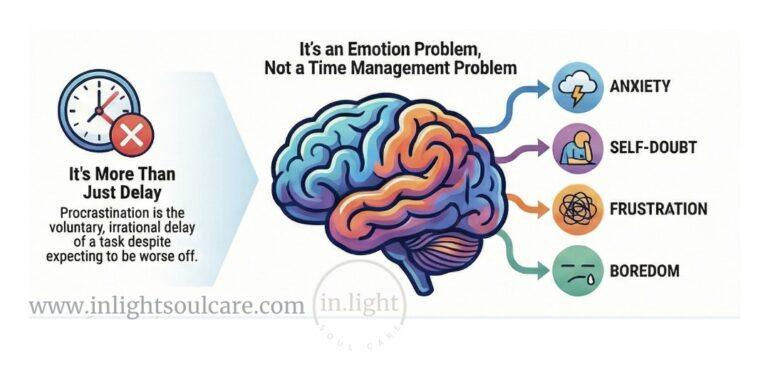
You know what needs to be done, but you can’t start. For high-responsibility professionals, this often signals burnout and nervous system strain, not laziness.

You know what needs to be done, but you can’t start. For high-responsibility professionals, this often signals burnout and nervous system strain, not laziness.

High-responsibility professionals are not used to procrastinating. So when it starts, it feels confusing and personal. This article explains why burnout often shows up as avoidance, how the nervous system shifts under sustained pressure, and what actually helps you begin moving forward again.

High achievers often arrive in therapy describing their accomplishments and competence. Yet many quietly carry burnout, work stress, and responsibility that has become overwhelming. This article explores the hidden burnout of reliable professionals and why having a confidential place to think out loud can help high-responsibility leaders regain clarity, alignment, and energy.

Leadership often looks powerful from the outside, yet many executives quietly experience isolation. Responsibility, confidentiality, and filtered feedback can leave leaders without a safe place to think honestly about work stress, burnout, and difficult decisions. This article explores why leadership can become lonely and how therapy provides a confidential thinking partner where leaders can examine blind spots, navigate moral tension, and regain clarity about their leadership, values, and professional identity.

You’re still showing up well, but a lot of your energy goes into managing how you’re perceived. What you say, how you respond, what you don’t reveal.Over time, protecting your reputation starts to feel like a full-time job. Reputation matters. Professionals are taught early:Be competent. Ethical. Consistent. Above reproach. All of that is good leadership…

High achievers rarely look burned out. They look competent, prepared, and composed. Beneath that excellence, though, there is often a quieter drive fueled by fear. Imposter syndrome in professionals does not reduce performance. It amplifies it. This article explores how the need to prove can quietly erode steadiness, and what begins to shift when identity is no longer built on output alone.

When your job involves carrying the weight of others’ well-being, burnout isn’t just exhaustion, it’s an identity crisis. Learn the specific markers of high-responsibility burnout and why traditional self-care often fails the people who need it most.

Taking stress leave is rarely part of the plan. Most people in Ontario wait until the very last moment, when exhaustion, anxiety, or burnout has already taken a heavy toll before stepping away from work. If you’re on stress leave now, or considering it, the question becomes: how do you use this time in a…

If you dread work while performing competently, you are likely not unmotivated. You are protecting yourself. This post explains how responsibility patterns turn work into a survival task.

When work stress starts affecting your body, sleep, and sense of self, it’s often anxiety—not failure. High-functioning professionals experience anxiety through overfunctioning, guilt, and burnout rather than panic. This post explains how work stress and anxiety overlap, why pushing harder backfires, and how therapy can help you regain steadiness without giving up what matters.