How Online Christian Counselling Works in Ontario
Online Christian counselling in Ontario that integrates faith with evidence-based psychotherapy. Support for burnout, anxiety, grief, and moral strain.

Online Christian counselling in Ontario that integrates faith with evidence-based psychotherapy. Support for burnout, anxiety, grief, and moral strain.
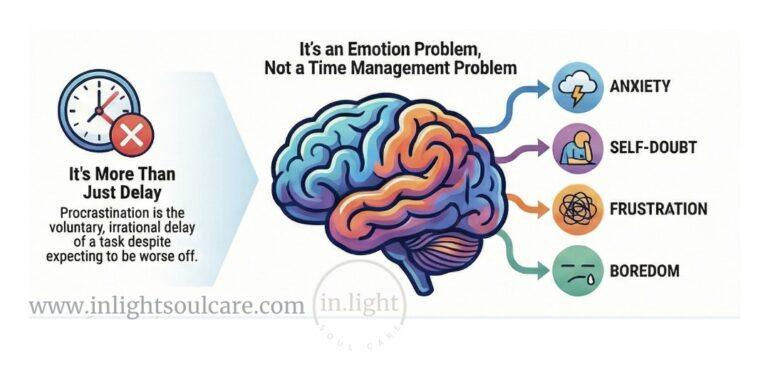
Burnout and procrastination changes how motivation and focus work. Tasks that once felt manageable can begin to trigger avoidance, fog, or paralysis. This article looks at the relationship between burnout and procrastination, explaining why it happens and how to work with capacity rather than pushing through it.

Burnout often feels like motion without direction. A lot of effort. Very little progress. You keep moving because stopping feels dangerous, yet nothing meaningfully changes. That is the hamster wheel experience. Busy. Earnest. Exhausting.
Clarity does not come from pushing harder. It comes from orientation. A compass does not tell you how fast to go. It tells you where you are and which way is true. When people slow down enough to notice what actually matters to them, decisions become simpler. Energy returns. Movement starts to mean something again.
The work is not about escaping responsibility. It is about choosing direction before choosing effort.

If you are a high-functioning leader in Kitchener or Waterloo carrying heavy responsibility for others, the pressure on you probably feels invisible until it isn’t. Executive burnout doesn’t look like burnout at first — it looks like competence under long-building strain. You might still be performing well at work, but at home you notice disconnect, exhaustion that sleep doesn’t fix, and a creeping sense of meaning slipping away. Leaders often tell me they hoped rest would solve it, only to find that it doesn’t — because burnout impacts the nervous system and identity, not just energy levels.
This kind of burnout shows up as persistent fatigue, decision overload, anxiety, irritability, ethical tension, and a loss of clarity about purpose. What keeps leaders from seeking support is often belief that they should handle it alone or fear that therapy will change how others see them. But burnout is a physiological response to sustained demand, not a personal failure.
In therapy, the first changes many leaders notice are clearer thinking, stronger boundaries, less emotional reactivity, and greater internal steadiness — shifts that support better decisions in work and life. After 8 to 12 sessions, many report clearer direction and purpose, more intentional decision-making, and grounded boundaries instead of reactive ones.

A Burnout Recovery Approach Therapy For Kitchener-Waterloo Professionals The morning begins quietly. You lie awake and sense heaviness before your day starts. Your chest feels dense. Your head carries a dull fog. You reach for your phone and scroll through feeds, headlines, and other people’s momentum. That scroll fills the space where intention used to…

Early Signs of Burnout Ontario There’s a moment many helping professionals hit early in their career. It happens slowly and with subtlety – so it can be easy to dismiss. Eventually, you realize it clearly when you wake up one morning and think, “I don’t feel like myself anymore, and I need to do something.”…

Burnout doesn’t end the day you stop working and go on stress leave. For many professionals I meet, it’s when the noise quiets and you have to face being at home alone all day that people seek therapy for burnout in Ontario, and the real work begins. You’ve been wandering the house feeling lost –…

Procrastination is not always a motivation problem. In burnout, it is often a nervous system signal.
When your system has been overextended for too long, starting tasks can feel strangely impossible, even when the work matters to you. This is not laziness and it is not a character flaw. It is what happens when effort, responsibility, and pressure have outpaced your capacity to recover.
In burnout, procrastination often functions as a form of self-protection. Your mind and body slow you down because pushing forward no longer feels safe. Understanding this shift is essential, because trying to fix burnout-related procrastination with productivity tools alone usually makes things worse.
This article explores why procrastination shows up during burnout, how to tell the difference between avoidance and exhaustion, and what recovery-focused approaches actually help people regain momentum without forcing themselves past the breaking point.
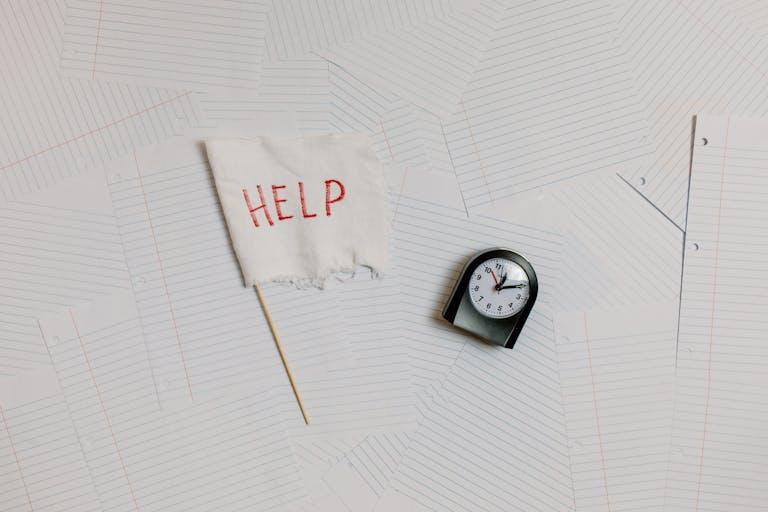
Burnout doesn’t arrive all at once. It builds slowly, hidden under deadlines, long hours, and the pressure to “just keep going.” For many professionals in Ontario, it starts as work anxiety in the form of racing thoughts, restlessness, or the constant sense that you’re not doing enough. Left unchecked, that anxiety can grow into full…
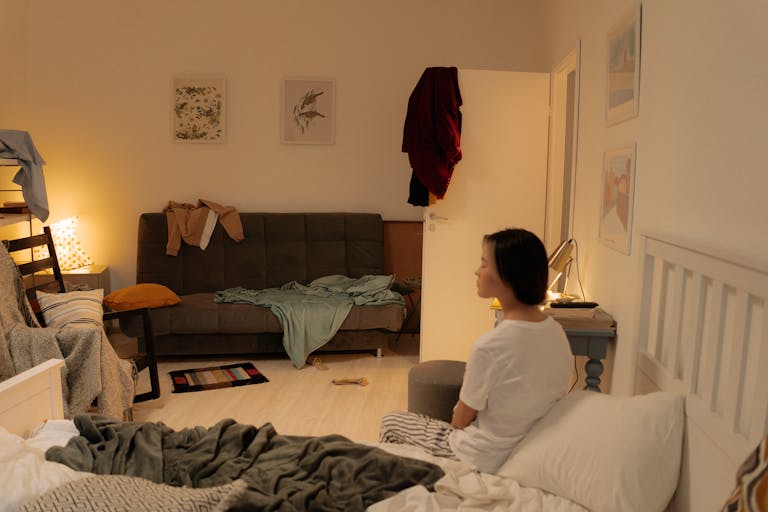
You take time off. You rest. But your still exhausted, even after a break. Maybe you even book a vacation or step back from commitments for a while. For a few days, you feel a little lighter. But then the exhaustion creeps back in. You wake up heavy, unmotivated, or flat. No matter how much…