Why You Procrastinate When You’re Burnt Out (Not Lazy)
Is Procrastination a Sign of Burnout?
Yes, it often is.
When you’re burned out, your nervous system is overloaded. Starting tasks takes more energy than your system can access, even if you still care about the work.
What looks like procrastination is often a signal of exhaustion, overwhelm, or internal resistance to ongoing pressure.
This often points to deeper burnout patterns that don’t resolve on their own. Burnout therapy in Ontario is explained here.
Not sure if this is burnout or something else?
Take the 2-minute Professional Strain Check-In:
If this keeps happening, it’s not a productivity problem
If you’ve tried to push through, get organized, or “just start,” and it’s not working, this usually isn’t a discipline issue.
It means your system is running on depleted energy, pressure, or misalignment that hasn’t been addressed yet.
This is where burnout needs to be worked through directly, not managed around.
You can see how the process of burnout treatment and recovery is approached here.
Burnout procrastination often looks like:
– staring at tasks you know how to do but can’t start
– thinking about work all day without taking action
– doing small, low-stakes tasks instead of the important one
– feeling guilty, but still stuck
– having the capacity… but no momentum
You’re not procrastinating because you’re lazy. You’re procrastinating because something in you is overloaded.
You still care about the work. You think about it all the time.
But when it’s time to start, you stall, avoid, or drift.
If you’re wondering whether your procrastination is laziness or burnout, this is a common pattern in high-functioning professionals and can sometimes be part of mid-life priority and energy changes.
When you’re burned out, you can find every reason for procrastination: make the bed, rearrange the cutlery drawer, empty your closet and put it back together again. Scroll. You know what you need to do, but your body and brain stall. You circle your desk, scroll your phone, or stare at the task until guilt kicks in.
It feels heavy and makes you feel guilty.
There are different types of coping:
adaptive/productive coping
where you use procrastination to heal so you can move forward
maladaptive coping
which isrooted in unhealthy avoidance and can lead to bigger problems.
Procrastination during burnout is like your nervous system waving a white flag.
What if procrastination could be seen as a recovery “guide” instead of the enemy? Or, as this Harvard study shows, you can shift to understanding productive procrastination as the source of increased creativity.
The benefits of healthy procrastination are related to creative processing, energy conservation, and momentary emotional relief.
Sometimes what looks like procrastination is actually a deeper freeze response. If you’ve ever felt like you know what to do but still can’t start, this breakdown explains why:
If you’re still doing your job but something feels off, this is often how burnout begins to show up beneath the surface.
Free Professional Resource
Feeling like work has changed more than your schedule?
Download The Cost of Care: A Professional Strain Recovery Guide to understand why burnout can affect your energy, identity, and sense of purpose—and what recovery can look like
✓ Free 24-page PDF
✓ Practical reflection exercises
✓ Instant download
1. Is Procrastination a Sign of Burnout?
Burnout often shows up as procrastination, not because someone is unmotivated, but because their nervous system is overloaded. Sometimes this shows up as Sunday night anxiety and worry about things you can’t control.
When mental energy is depleted, starting tasks can feel unusually heavy or confusing. What looks like avoidance is often a protective response to sustained demand, pressure, and decision fatigue.
If every task feels impossible, your system may be running on empty. Procrastination tells you the fuel tank is low. Instead of shaming yourself, ask: Is this resistance a sign ofexhaustion, overwhelm, or misalignment?
- Exhaustion = you need deep rest and a new rhythm to your days
- Overwhelm = the task is too big; break it into bite-sized pieces
- Misalignment = the work doesn’t match your values anymore

2. Avoidance as an Act of Self-Preservation
When your brain resists doing the work it used to handle easily, it might be protecting you. Burnout often makes people numb to how depleted they are. Procrastination becomes the only line of defense. It says: “You can’t keep going like this.”
If you’re still performing well yet procrastination feels like resistance rather than laziness, you might be experiencing high responsibility burnout. Explore what that pattern looks like and why it shows up early in capable professionals: https://www.inlightsoulcare.com/high-responsibility-burnout/
Seen this way, procrastination can be more like a friend who cares about your survival.
When procrastination starts to feel like resistance instead of choice, it usually means something deeper is depleted. This is where burnout needs to be worked through directly, not managed around.
Sometimes what looks like procrastination is actually a deeper freeze response. If you’ve ever felt like you know what to do but still can’t start, this breakdown explains why: When You Can’t Start: The Hidden Burnout Behind “I Should Be Able to Do This”
3. Procrastination and the Incubation Effect
Burnout and brain fog make clear thinking challenging. Sometimes stepping away and “wasting time” is exactly what will help your mind reset. That’s the incubation effect: solutions show up when you’re not forcing them.
If you catch yourself procrastinating, try looking at it differently and allowing it to guide you into recovery-friendly activities: take a walk, stretch, or prepare food. These pauses feed your system and help you to rebuild your energy.
For those in leadership or high-responsibility roles, procrastination isn’t just about the task, it’s about the weight of the stakes. When your decisions impact others’ lives or livelihoods, your nervous system can trigger a ‘functional freeze.’ You aren’t avoiding the work; you are subconsciously protecting yourself from the emotional cost of another high-stakes choice. This is why standard productivity hacks fail: you don’t need a better calendar; you need to address the decision fatigue that has made your role feel unsustainable and might give you fear about losing your job.
4. Using Procrastination to Shrink the Mountain
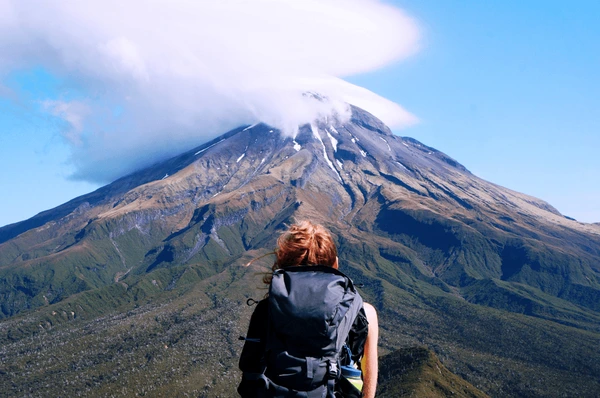
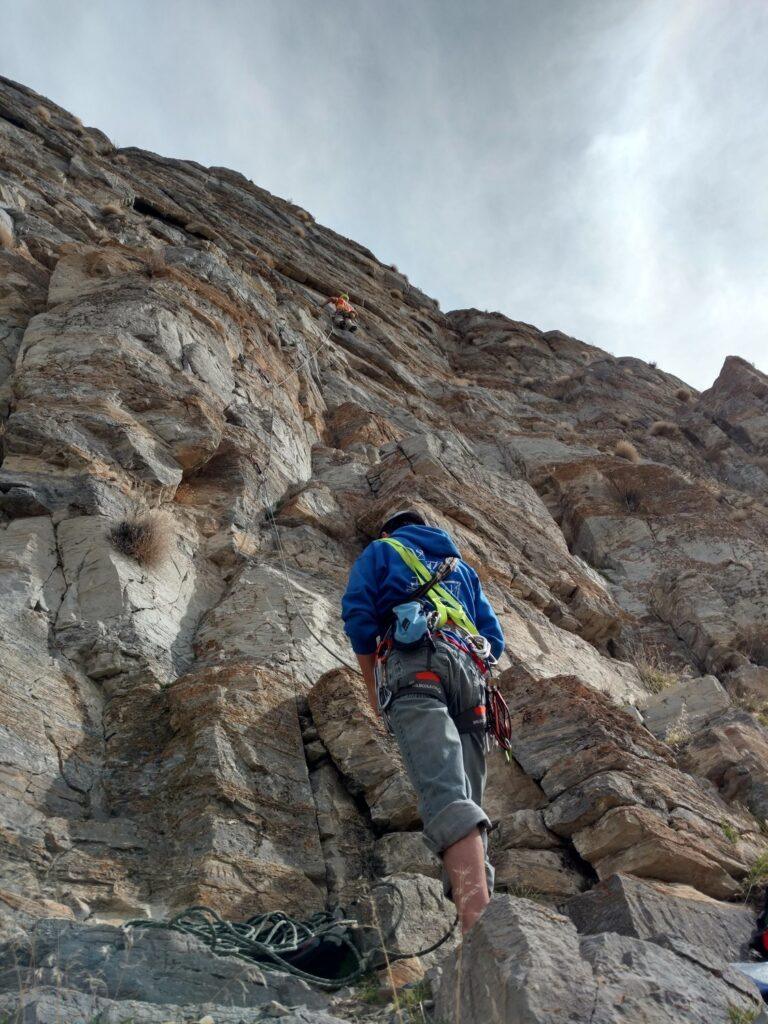
Burnout magnifies tasks until they seem insurmountable. Many times in my life, I’ve crumbled under the weight of expectations: meet the deadline, prep the presentation or start the project I’m not excited about. Procrastination keeps you stuck at the base, staring up. The trick is to use that resistance as a clue: the mountain is too big.
Micro-steps matter here. Open the email draft, but don’t write it. Jot one bullet point for your report. These small starts chip away at the overwhelm and gently rebuild your capacity. Making the steps really small and rewarding yourself for the effort rather than the results will begin to help you step into new habits.
Turning Procrastination into a Recovery Tool
Burnout recovery isn’t about erasing procrastination. It’s about decoding it. Every time you find yourself avoiding, ask: What is this telling me about my energy, my values, or my limits?
Sometimes, the ‘stall’ of procrastination is actually a spiritual nudge, a sign that your work has become disconnected from your deeper sense of identity and meaning.
Procrastination becomes your ally when you let it teach you, and point you to rest and to clarity, and to the deeper realignment that burnout demands.
If you are a high-functioning professional and want support to work through your burnout and discover a new way forward, reach out for a free consultation.
If you still have questions, read what to expect in therapy for burnout
Here are some authoritative articles underlying this idea:
When procrastination pays off: Role of knowledge sharing ability, autonomous motivation, and task involvement for employee creativity
Explore the positive benefits of procrastination here
I’m Erika Mills, a Registered Psychotherapist for professionals and leaders. I help high-achievers who are carrying too much for too long. If you’re feeling the strain of burnout or identity fatigue, we can work together to lower the pressure, redefine your relationship with performance, and reclaim your inner authority.










What The Consult is For
Your free 20 minute consult is to clarify three things:
1. What kind of depletion this is
2. What kind of help you need
3. Whether I am the right fit for your situation
There is no expectation to continue. If another type of support fits better, I will say so.
You can take time to think afterward. No decision needed on the call.