Are You Helping—or Quietly Harming? The Hidden Cost of Caregiver Stress

You’re still doing your job well.
People rely on you. You follow through. You think things through carefully. You carry responsibility seriously.
From the outside, nothing looks wrong.
But internally, it’s not turning off.
You replay decisions. You question whether you missed something. You feel responsible even when the day is over.
That’s where caregiver and leader stress starts to shift outward.
Start here
If you’re ready to take action:
If you’re still figuring it out:
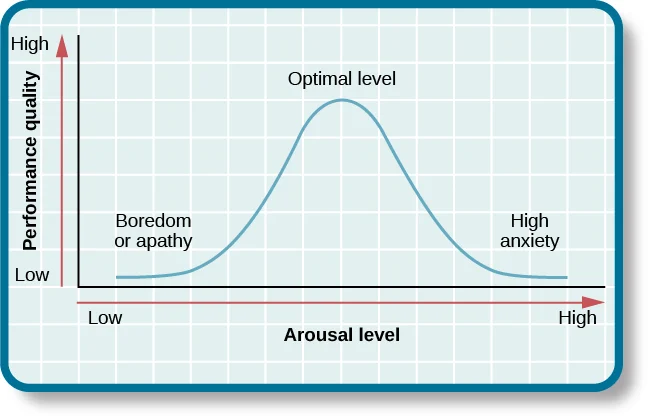
The Stress Curve No One Warns You About
There’s a simple psychological principle behind this.
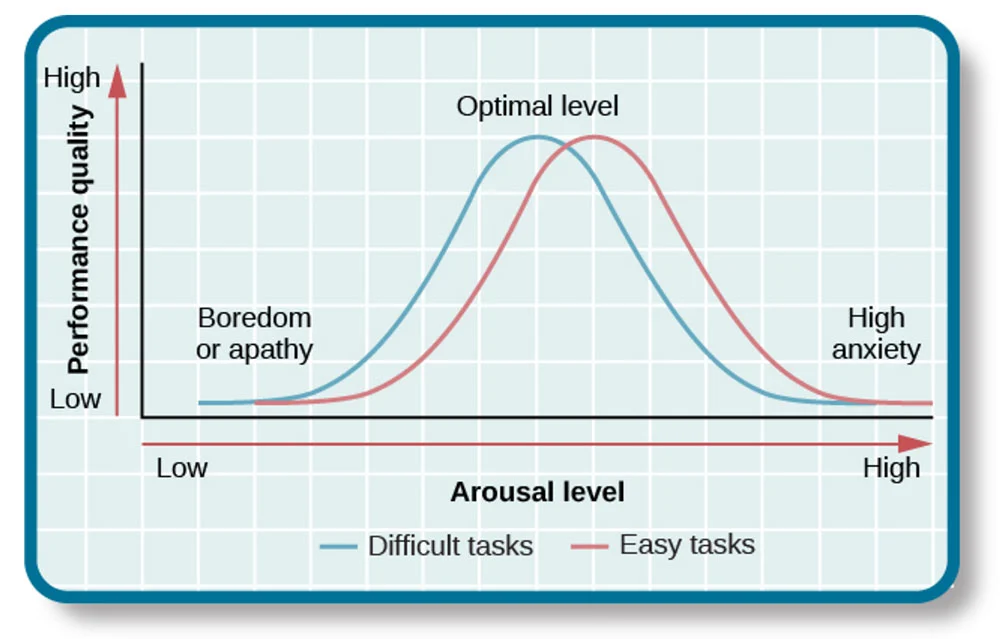
Your system functions best within a certain range of pressure.
Too little and you feel flat, disengaged, unmotivated
Just enough and you’re clear, focused, effective
Too much and your system stays activated long after the situation ends.
Most high-responsibility professionals don’t fall off the curve.
They push past the optimal zone and stay there.
At first, it feels like commitment.
Over time, it becomes constant internal strain.
A more accurate question isn’t “Am I coping?”
It’s:
Is my system ever actually settling?
How This Shows Up (When You’re Still Performing Well)
This isn’t obvious burnout.
It looks like:
- You’re competent, but mentally preoccupied after hours
- You can’t fully relax without feeling like you’re dropping something
- You keep scanning for what you might have missed
- You feel responsible for outcomes that aren’t fully yours
- You’re more irritable or withdrawn at home, even if work is “fine”
You’re still functioning.
But your nervous system is staying on duty and erodes into burnout and loss of identity.
The Part That Affects Other People
This is where it gets uncomfortable.
Your internal state doesn’t stay internal.
Through limbic resonance, people pick up on your nervous system.
They don’t need you to say anything.
- When you’re steady, people feel more settled around you
- When you’re carrying tension, it shows up in tone, pace, and presence
This is why teams become strained and stress leaves can increase without anyone naming it.
It’s also why you can walk into a room and feel the pressure immediately.
You are part of that system, whether you want to be or not.
Why Clients and Colleagues Can Feel It
Your nervous system is constantly signalling safety or threat. This process is called neuroception.
It’s fast. It’s unconscious. And it’s accurate.
Even when you’re saying the right things, people are registering:
- Are you grounded?
- Are you rushed?
- Are you carrying something unresolved?
When your system has capacity, people experience you as steady.
When it doesn’t, something feels off, even if no one can explain why.
This is why caregiver and work stress matters.
Not because you’re failing.
Because your presence is part of the work.

A Quick Check-In (That Cuts Through the Noise)
Skip the long self-reflection.
Answer this directly:
When the day ends, does your mind keep working?
If yes, you’re likely outside your optimal range.
To reset:
1. Name it accurately
Not “busy.” Not “tired.”
Are you carrying ongoing responsibility that hasn’t resolved?
2. Settle your system, not your thoughts
Slow your breathing. Extend your exhale.
Let your body come down, even if your mind keeps going.
Notice burnout and procrastination and the messages you tell yourself.
3. Release one layer of responsibility
Ask: What here is actually mine to carry, and what isn’t?
Then act accordingly, even in a small way.
This is how you begin to come back into range.
Why This Matters for Your Kind of Burnout
This isn’t burnout from doing too little or not coping well.
This is burnout from carrying too much responsibility, for too long, without relief.
You keep showing up.
You keep doing it well.
And slowly, your sense of self starts to narrow around what’s required of you.
That’s the shift most people miss.
If You Want a Clearer Read on Yourself
If you want something more structured than guessing, you can use a brief self-assessment about the level of your professional strain:
If You’re Starting to Feel the Cost
If you’re noticing that your work follows you home, affects how you relate to people, or makes it hard to step out of role, that’s the moment to pay attention.
I work with professionals who are still high-functioning but are starting to feel the internal cost of responsibility.
This isn’t about stepping away from your work.
It’s about staying in it without losing your steadiness, your judgment, or your sense of who you are outside of what you carry.
If that’s where you are, you can book a free 20-minute consult.