The Exhaustion of Protecting Your Reputation
Reputation matters.
Professionals are taught early:
Be competent. Ethical. Consistent. Above reproach.
All of that is good leadership training.
The problem begins when reputation becomes something you believe you can fully control.
Or must control.
A senior leader once told me, “I don’t mind the work. What exhausts me is knowing one decision could define how people see me for years.”
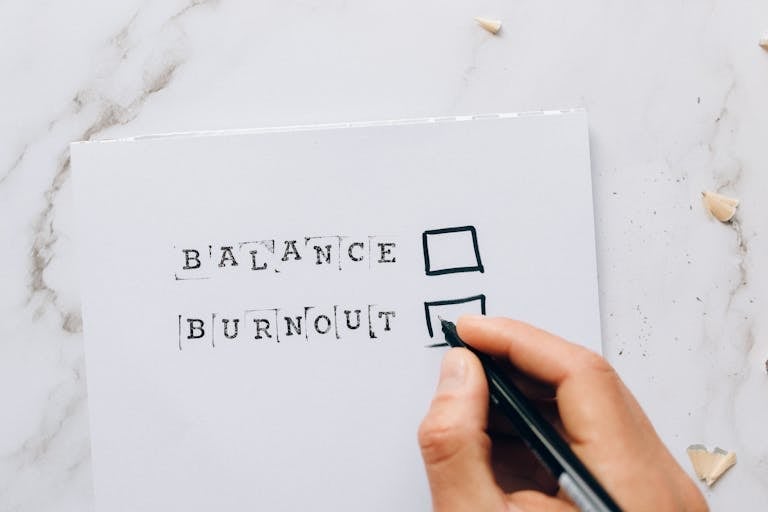
Over time, protecting a reputation can become its own form of chronic stress. Many professionals discover that what they first thought was exhaustion from workload is actually burnout driven by constant reputation management, which in turn leads to burnout and loss of identity.

When Reputation Becomes a Source of Burnout
I hear it often:
- Sleepless nights before public decisions
- Over-functioning to prevent criticism
- Working late to ensure no weakness shows
- Fear of being misunderstood in public roles
- Avoiding rest because someone might judge
One leader in a new role worked long hours mastering every detail so no one would question their capability.
Another in public service carried constant anxiety about whether funds were perceived as fairly distributed.
Both were competent. Both knew they were functioning at unsustainable pace.
Reputation management had turned into hypervigilance and fear of failure.

Why High-Responsibility Professionals Feel This Pressure
You cannot fully control how people percieve you.
Reputation lives partly outside your locus of control.
You influence it.
You do not own it.
Realizing this often creates fear and then anxiety spikes when control loosens.
But this realization is also the beginning of freedom, because the conversation can then shift into recognizing the ways you are patterning your behaviour. And this becomes freeing when you can identify how your patterns enable disfunction in others and freeing yourself can actually lead to system improvements for your team over time.

Burnout From Reputation Management
When reputation becomes the primary driver it can lead to hypervigilance.
- You cannot rest.
- You never feel finished.
- You scan for judgment.
- Public spaces feel tense.
- There is an urge to hide.
You are performing for safety and your body remembers this threat.
How Therapy Helps Professionals Recover From Burnout
What helps is not abandoning reputation, rather, narrowing your focus.
Ask:
- What behaviors are within my control?
- What aligns with my values?
- What does enough look like today?
Decide in advance:
- When will you stop working?
- What constitutes competent preparation?
- What ethical standard are you committing to?
When your behaviour aligns with your values, there is an internal steadiness that reputation cannot provide.
You will still be judged at times.
You will still be misunderstood.
But your nervous system does not need to run the entire show.
Reputation becomes a byproduct of integrity.
Not a project you must constantly defend.

Many professionals eventually discover that their exhaustion is not only about workload. It is about the deeper cost of responsibility and identity. If that experience sounds familiar, you may find it helpful to understand the four phases of burnout recovery.
What The Consult is For
Your free 20 minute consult is to clarify three things:
1. What kind of depletion this is
2. Whether therapy would actually help
3. Whether I am the right fit for your situation
There is no expectation to continue, If another type of support fits better, I will say so.
You can take time to think afterward. No decision needed on the call.