
When You Can’t Start: The Hidden Burnout Behind “I Should Be Able to Do This”
Why can’t I start my work even though I know what to do?
An inability to start tasks is often not procrastination or poor time management. It is a nervous system response. When stress, conflict, or emotional strain overwhelm the system, the brain shifts into protection mode, making it difficult to focus, think clearly, or initiate tasks. This is commonly linked to burnout, anxiety, or unresolved stress rather than a lack of discipline.
Common signs this is a nervous system issue, not laziness:
– You know what needs to be done but feel unable to start
– You feel embarrassed or unlike yourself
– Your focus and thinking feel impaired
– You are more reactive, anxious, or mentally exhausted
– Sleep or recovery feels disrupted
This pattern often shows up in deeper forms of burnout where identity and performance are tightly connected. You can read more about that here:
Why You Don’t Feel Like Yourself Anymore: Burnout and Loss of Identity
You sit down at your desk.
The list is there. Deadlines are real. You know exactly what needs to be done.
And still… nothing happens.
Not because you don’t care. Not because you don’t know how.
You just can’t start.
For many high-responsibility individuals, this moment is deeply unsettling.
“I have projects. I have deadlines. I don’t recognize myself. I can’t get them done.”
What follows quickly is embarrassment. Shame. A quiet panic that something is wrong.
This experience is often called task paralysis, a state where the nervous system prevents action despite clear intent.
Learn more about burnout therapy for professionals in Ontario or book a consult here.
Why You Can’t Start Tasks Even When You Know What to Do
Most people assume this is procrastination.
It isn’t.
In the people I work with, this is almost always a nervous system issue, not a discipline issue.
Something has shifted.
There’s often been a moment. A conversation. An incident.
Sometimes it’s obvious. Sometimes it isn’t.
A client gets blamed. Criticized. Yelled at. Or pulled into a family dynamic that leaves them feeling exposed and destabilized.
On the surface, it seems unrelated to their work.
But the body doesn’t separate things that neatly.
The nervous system registers threat.
And once that happens, your system shifts into survival mode.
If you’re used to functioning at a high level and something has shifted, this is worth understanding, not pushing through.
Learn more about burnout-focused therapy or book a consult here:
https://www.inlightsoulcare.com

Symptoms of Burnout-Related Procrastination
When your body is in that state, you don’t feel “a bit distracted”, you are outside of your window of tolerance and possibly experiencing what researches call a freeze response, or a hypoarousal state.
You feel:
-Unable to focus or think clearly
-Restless or frozen at the same time
-Wired but exhausted
-Disconnected from your usual clarity and drive
-Unable to initiate even simple tasks
-Sleep often gets disrupted. Thoughts start looping.
You try to push through, but your system won’t cooperate.
Because it’s not a motivation problem.
It’s a protection response.
What looks like procrastination is often something closer to procrastination and burnout, where your system is overloaded rather than unwilling.
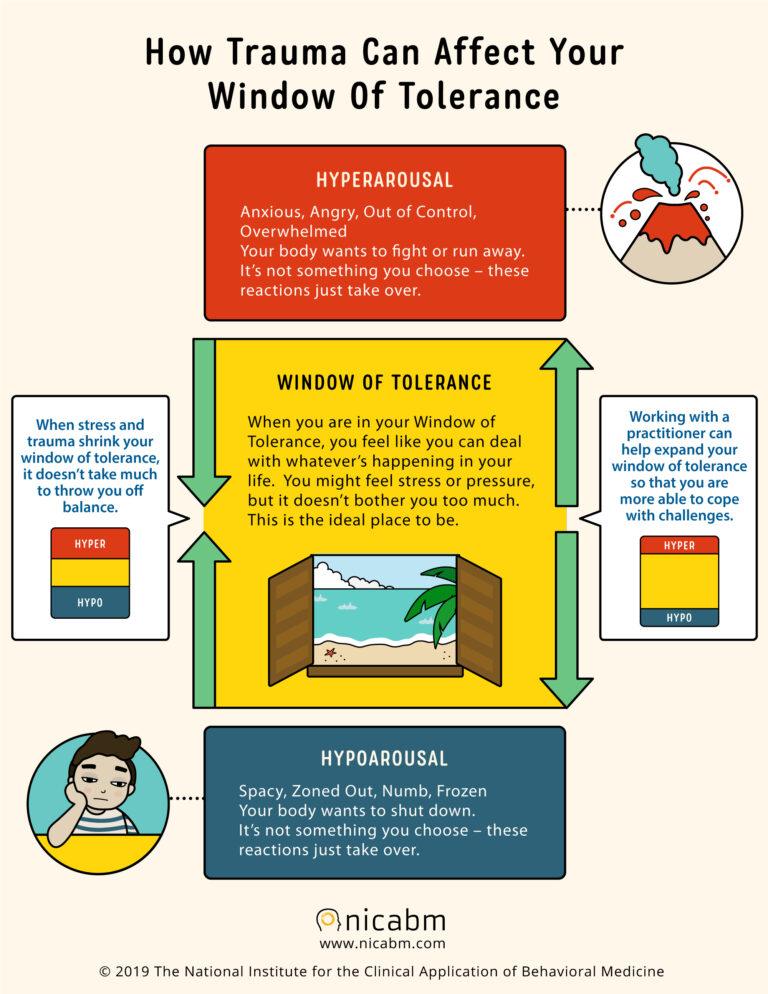
Why High-Performing Professionals Experience Task Paralysis
For the people I work with, identity is tied closely to reliability.
You are the one who gets things done. The one people trust. The one who holds it together.
So when that ability falters, even briefly, the internal narrative turns fast:
“I should be stronger.”
“People are going to notice.”
“I’m going to lose credibility.”
“I won’t be trusted with important work again.”
“Why don’t I know what I want anymore?“
This is where the spiral begins.
Not because the situation is catastrophic, but because the meaning attached to it is.
And that meaning creates more pressure, which deepens the freeze.
The Shift That Changes Everything
The turning point in therapy is often simple, but not easy.
We stop focusing on the fact that you can’t start.
And we look underneath.
When we can identify the actual source of the strain, something changes.
The shame begins to lift.
Because what’s happening starts to make sense.
You’re not broken.
Your system is responding to something real.
How to Start Working Again When You Feel Stuck
These are not productivity strategies. They are ways to work with your system instead of against it.
1. Make the list smaller than you think it should be
Not efficient. Not impressive. Small.
Small enough that your nervous system doesn’t interpret it as another demand.
This is how you begin to reintroduce movement without triggering more resistance.
2. Create shame-free accountability
Trying to “self-discipline” your way out of this often makes it worse.
Having a place where you can name what’s happening, without pressure or judgment, allows your system to settle.
From there, forward movement becomes possible again.
3. Limit what fuels the spiral
Rumination feels productive. It isn’t.
Overthinking, scrolling, staying plugged into stress-heavy input keeps your system activated.
Putting limits on this, even gently, helps your brain come back to a sense of safety.
And safety is what allows action to return.
If you’re not sure how far this has gone, I created a brief check-in you can take. It helps you see whether this is stress, burnout, or something deeper affecting your ability to function.
A Reframe Most People Need to Hear
Dial up the kind voice inside (who is this in your life?).
Dial down the inner critic.
The voice that’s telling you to push harder is the same one keeping you stuck.

If You’re Here Right Now
This is more normal than you think.
It happens for good reasons.
And those reasons are worth understanding.
Because when you uncover what’s underneath the freeze, things begin to thaw.
Not all at once. But enough to take the next step.
If Your Productivity Has Started to Feel Like a Trap
If you’re used to functioning at a high level and something has shifted, it’s worth paying attention.
This isn’t about fixing your discipline.
It’s about understanding what your system is carrying.
If you want help working through that, you can learn more or book a consult here:
https://www.inlightsoulcare.com


What The Consult is For
Your free 20 minute consult is to clarify three things:
1. What kind of depletion this is
2. What kind of help you need
3. Whether I am the right fit for your situation
There is no expectation to continue. If another type of support fits better, I will say so.
You can take time to think afterward. No decision needed on the call.
Frequently Asked Questions: Burnout, Paralysis, and High-Achievers
1. Why can’t I start my work even when I have deadlines?
For high-responsibility professionals, the inability to start is rarely about laziness. It is often a “freeze” response triggered by the nervous system. When your identity is tied to being “the one who gets it done,” the pressure of a deadline can feel like a threat, causing your brain to shift into survival mode rather than “productive” mode.
2. Is procrastination a symptom of burnout? Yes. In the context of burnout, procrastination is often a sign of emotional exhaustion and moral injury. When the “cost” of doing the work feels too high for your soul or your values, your system creates a barrier of resistance to protect you from further depletion.
3. What is the difference between being lazy and being burnt out? Laziness is a choice to avoid effort; burnout is the inability to access your usual energy and focus. If you want to do the work, feel guilty that you aren’t, and yet find yourself physically or mentally unable to initiate the task, you are likely experiencing burnout-related paralysis.
4. How do I break the “freeze” response in my work day? The key is to lower the perceived threat to your nervous system. Instead of trying to “push through,” try a “Soul Care Shift”: make your first task so small it feels trivial (like opening a document, nothing more). This signals safety to your brain, allowing the “thaw” to begin.
5. Can therapy help with professional procrastination? Psychotherapy for professionals focuses on uncovering the “source of the strain” underneath the surface. By addressing the loss of identity or the loneliness of leadership, therapy helps move you from a state of survival back into a state of clarity and choice.